
 AEH’s sustainability strategy is built around a dual focus on reusability and recyclability, ensuring environmentally responsible thinking is embedded from concept development through to production and end-of-life. This approach applies across all areas of the business, from full exhibition builds to in-house print and signage, with a particular emphasis on increasing the re-use of custom displays.
In Australia, exhibition floors are dominated by standard booth packages due to smaller exhibitor budgets, the prevalence of public consumer expos, and the need for efficient, uniform setups. Globally, however, major trade fairs lean heavily toward customised or modular reusable stands where brand presence and design innovation are prioritised. As a result, standard booths form the majority locally but only a minority internationally.
Across the Australian industry, recycling typically sits at the top of the sustainability hierarchy, followed by repurposing, targeted re-use, and landfill which unfortunately remains common. AEH works well beyond these norms by implementing systems that maximise material capture, sorting, and recycling, significantly reducing landfill reliance.
To ensure sustainability gains apply broadly, AEH reviewed materials and processes across all project types, especially those generating single-use waste. Traditional substrates such as MDF, Corflute, and PVC lacked viable recycling pathways, meaning most ended in landfill. This prompted a shift toward more circular materials, leading AEH to adopt Kroma and Xanita, both fully recyclable boards.
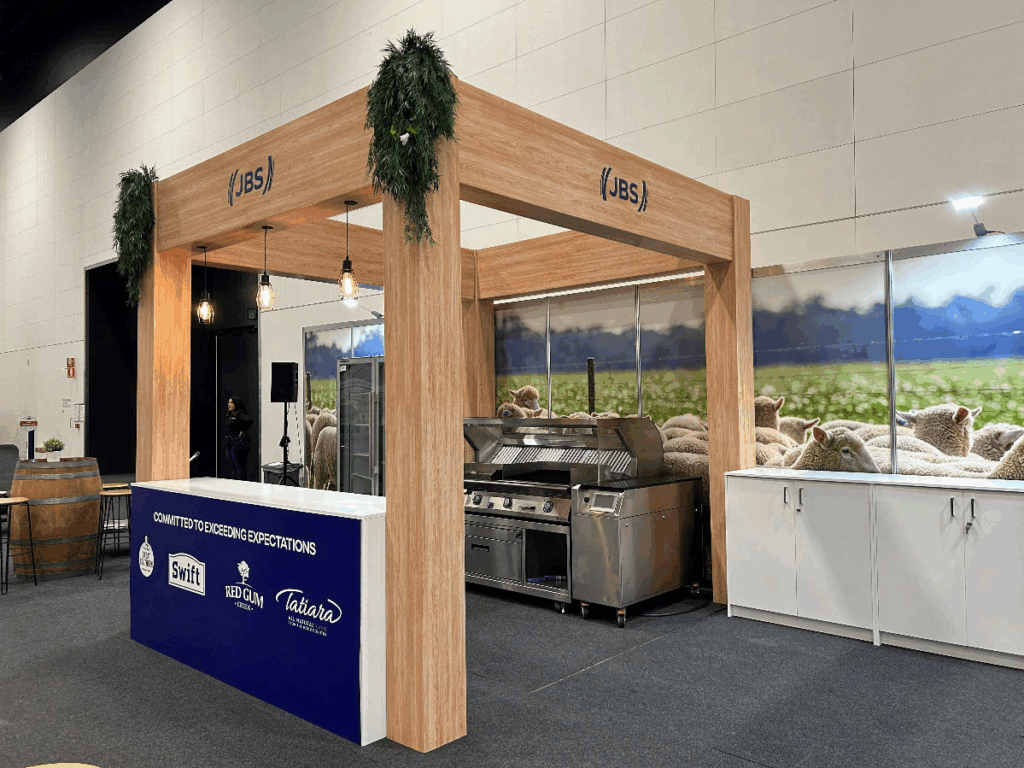
By 2020, AEH’s design team was prototyping these materials, exploring structural possibilities that would allow custom displays to be lightweight, durable, and suitable for repeated use. A major intention behind this shift has been to create custom designs that not only recycle at end-of-life but can be re-used across multiple events, reducing both waste and production impacts.
Complementing this, AEH invested in HP Latex 2000R printers using water-based inks and reviewed consumables to support circularity. Ongoing trials with modular Xanita concepts built to be direct-printed, flat-packed, re-used, and eventually recycled, demonstrate the practical potential of combining thoughtful design with recyclable materials to move the industry toward genuinely sustainable, re-usable custom display solutions.
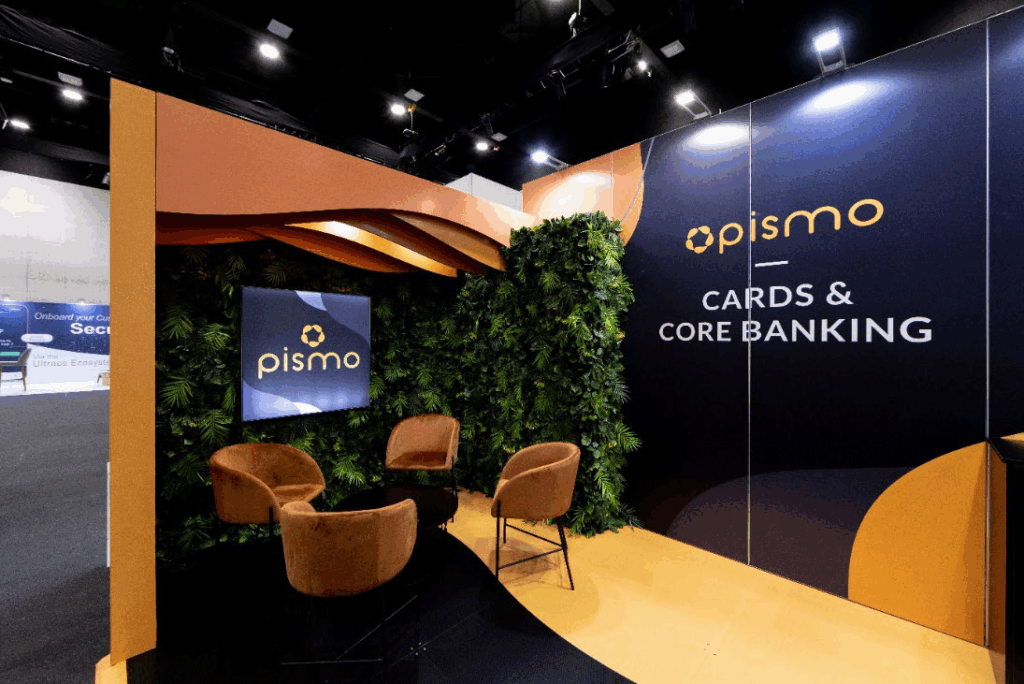
Xanita Timber look Columns and prints
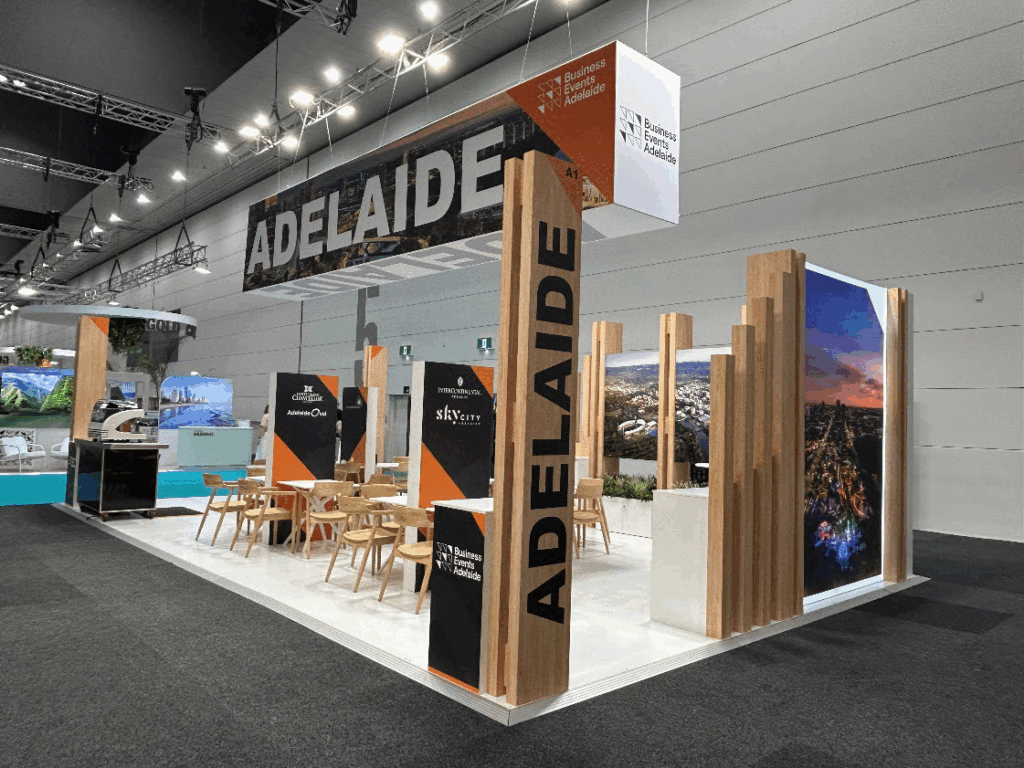
Xanita Cardboard Stand Exposed Edges
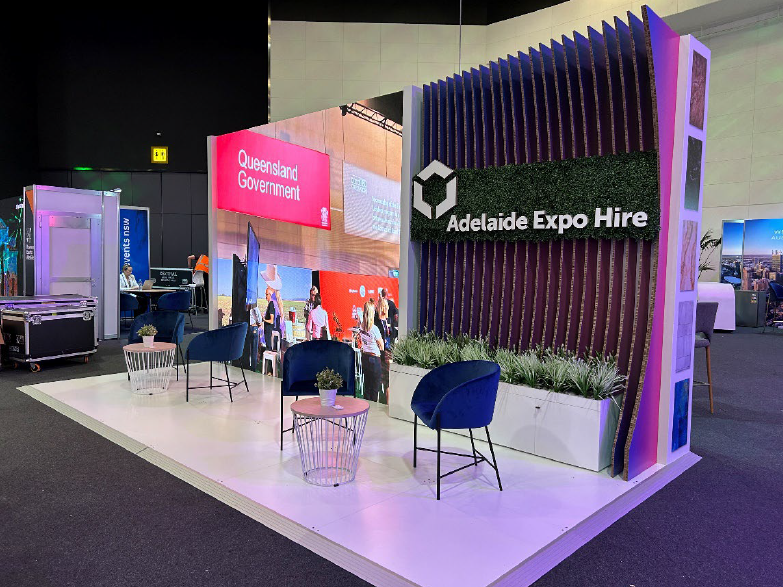
Xanita
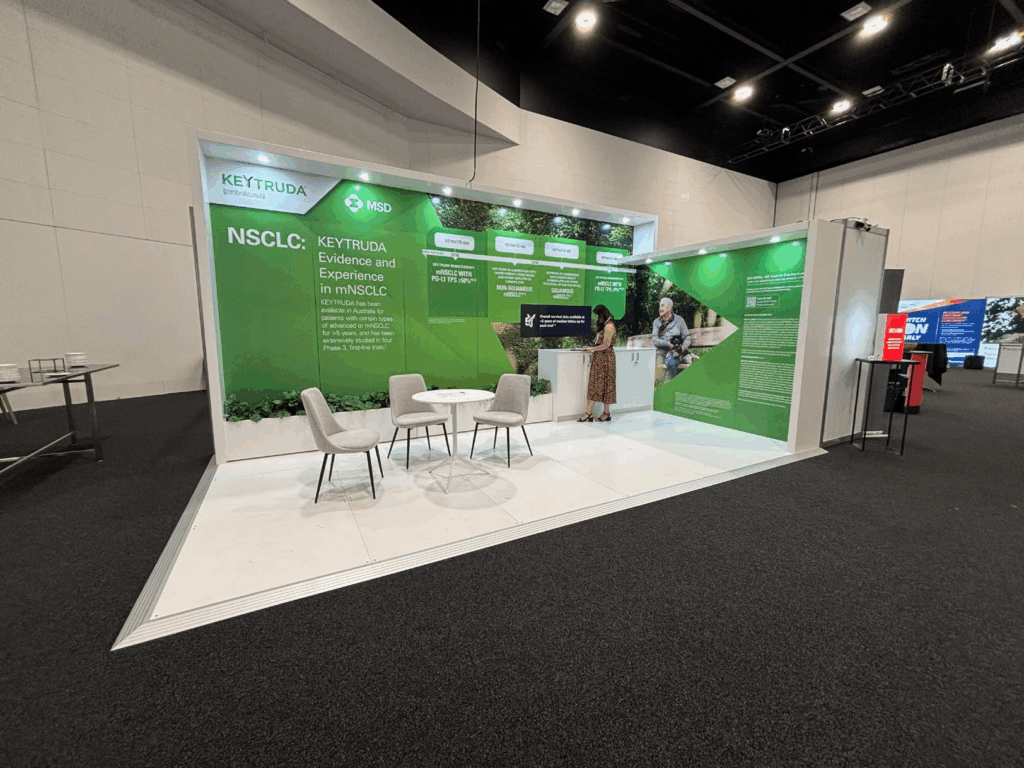
Hybrid – Xanita Timber look Columns with Octanorm and full digital prints on Kroma
Booth Signage / Fascias / Organisers Signage
Because standard booth packages dominate in Australia, many exhibitors enhance their presence with high-impact signage such as full digital prints, custom fascia logos, and fabric features. However, these upgrades are often event-specific and typically become single-use waste. To balance strong branding with sustainable practice, AEH has introduced materials like Kroma and Xanita, which are lightweight, fully recyclable, and support more circular outcomes. These alternatives allow exhibitors to achieve visually impactful booth signage while reducing landfill reliance and aligning with AEH’s broader commitment to reusability and responsible material choices.
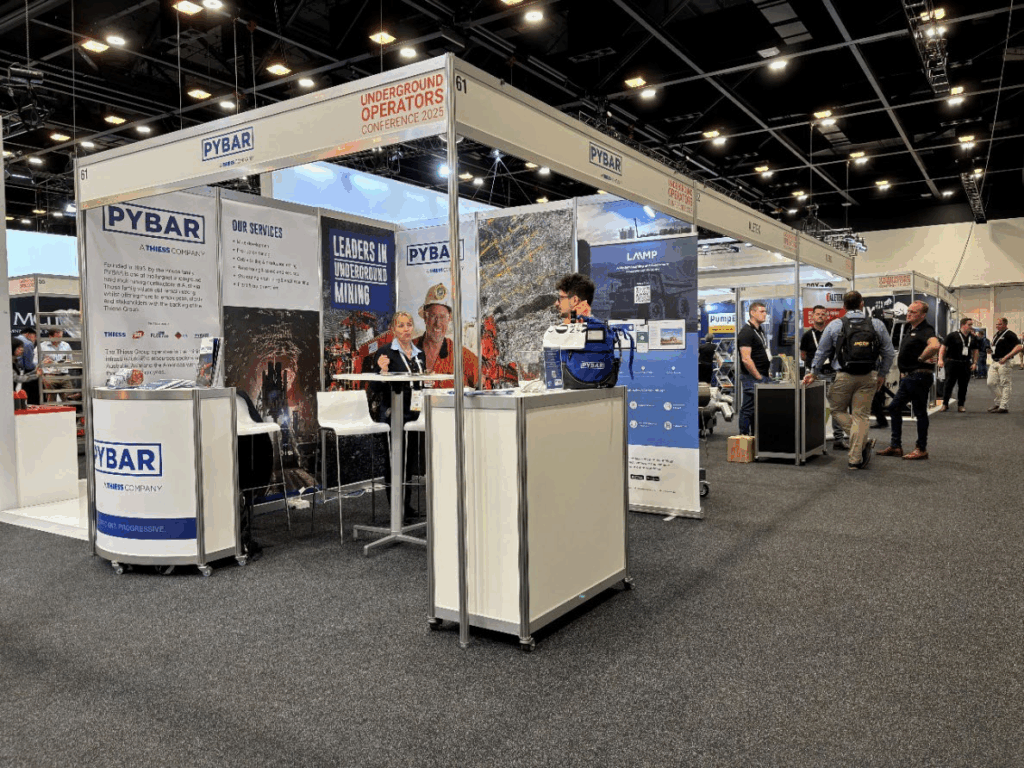
Octanorm Booth with Full Digital Prints on Kroma
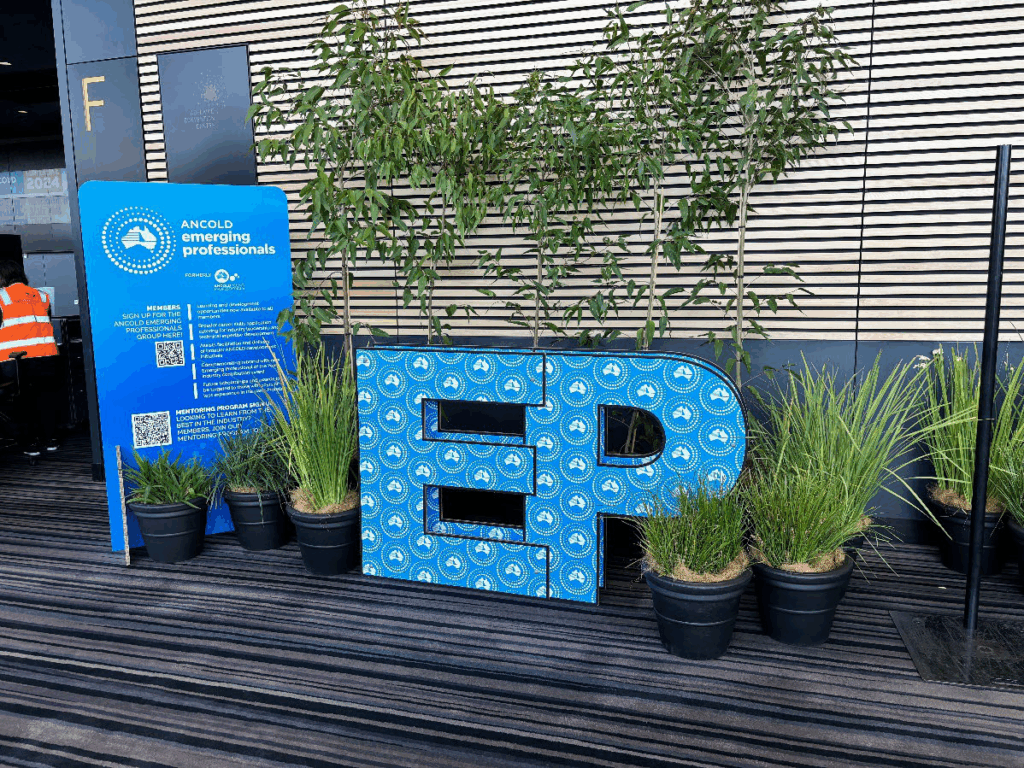
Xanita Signage – Organiser
r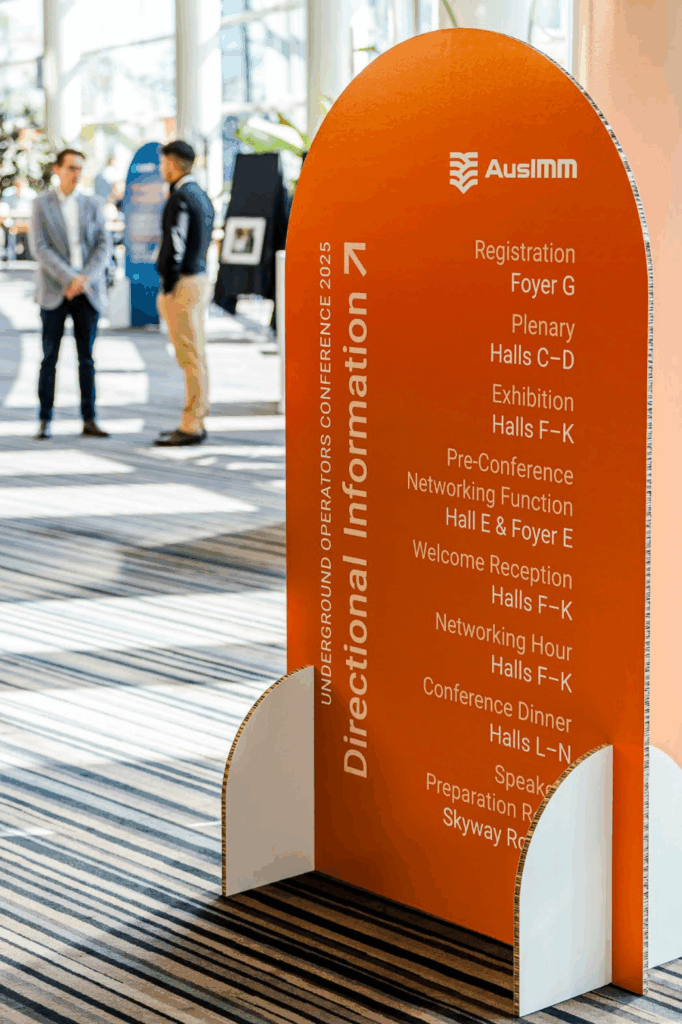
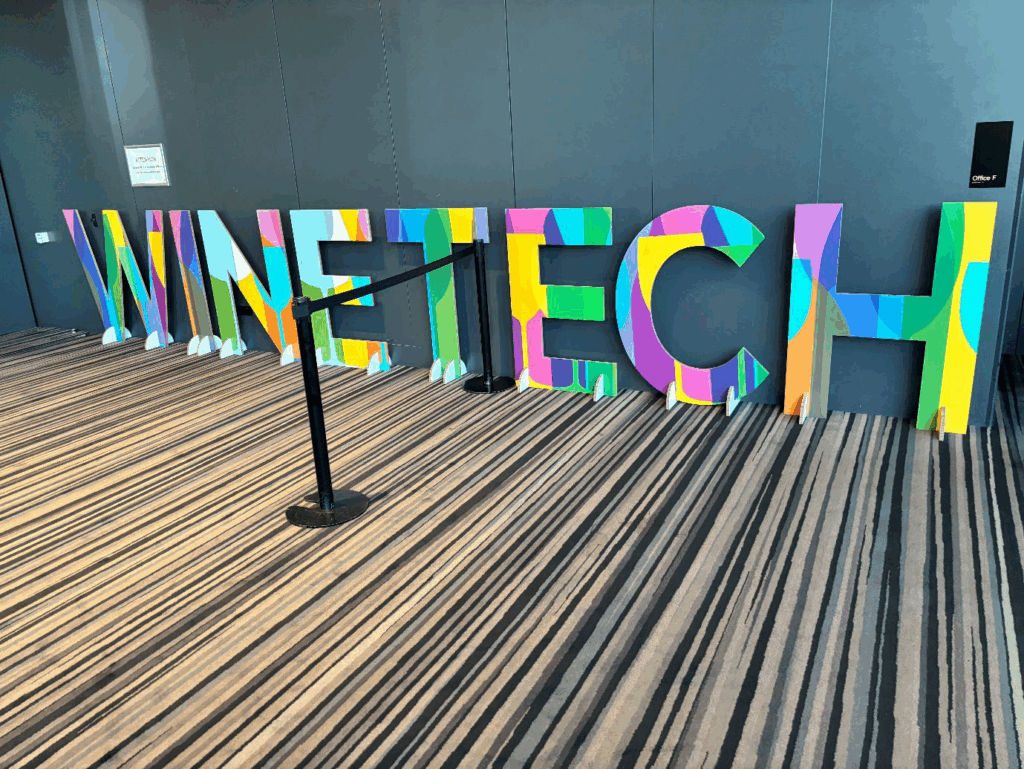
Xanita Signage – Organiser
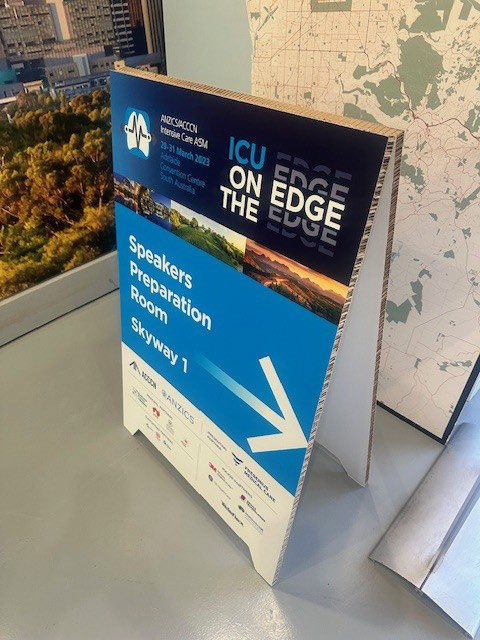
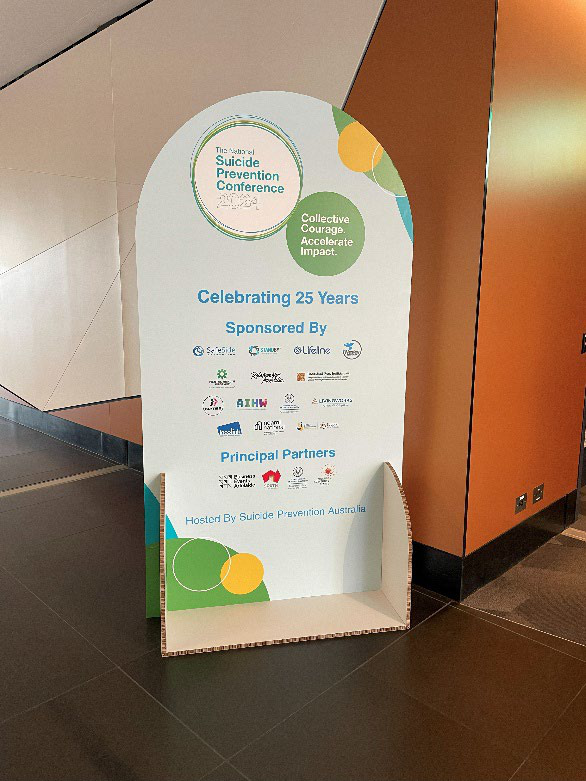
Xanita Signage – Organiser
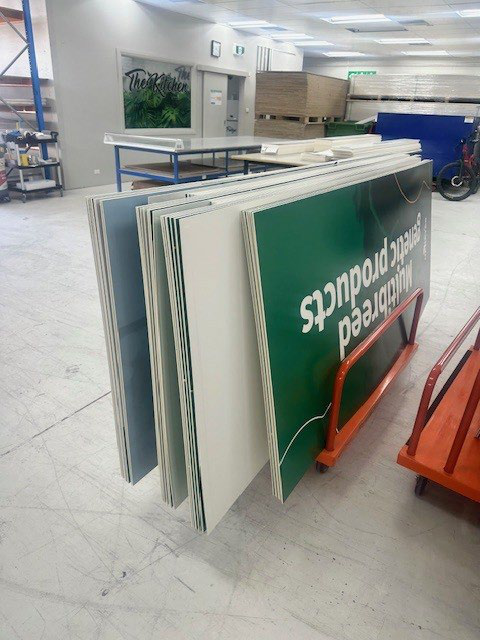
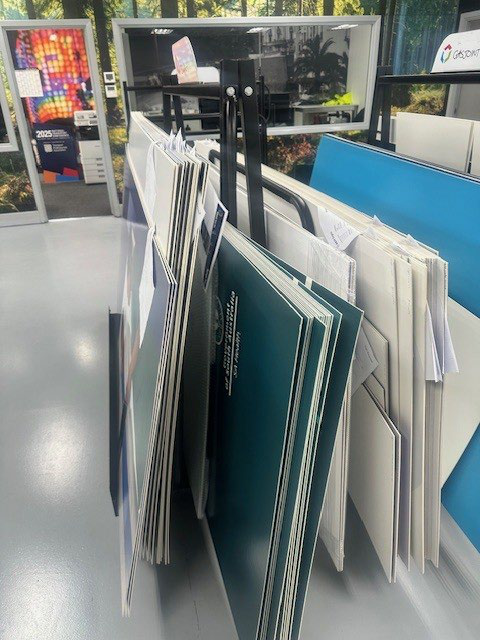
Hot off the press full digital Kroma prints ready for packing
AEH has dedicated significant effort to understanding how its fabric banner materials can be responsibly recovered at end-of-life, leading to a partnership with BlockTexx®. With textile waste becoming one of the fastest-growing global waste streams, AEH recognised the need to go beyond simply using recyclable fabrics and instead secure genuine recovery pathways. Through detailed testing, verification, and collaboration with BlockTexx, AEH identified which fabrics are compatible with their recycling technology, creating a viable circular solution that diverts printed fabrics away from landfill and returns them to useful raw materials.
For fabric types that cannot be recycled through this process, AEH partners with Mobo to ensure these materials still avoid landfill. Mobo repurposes them into durable furniture covers and protective products made locally, extending the life of materials while delivering social impact. Through this partnership, AEH supports meaningful employment opportunities for NDIS participants and jobseekers with disabilities, strengthening both environmental and community outcomes.
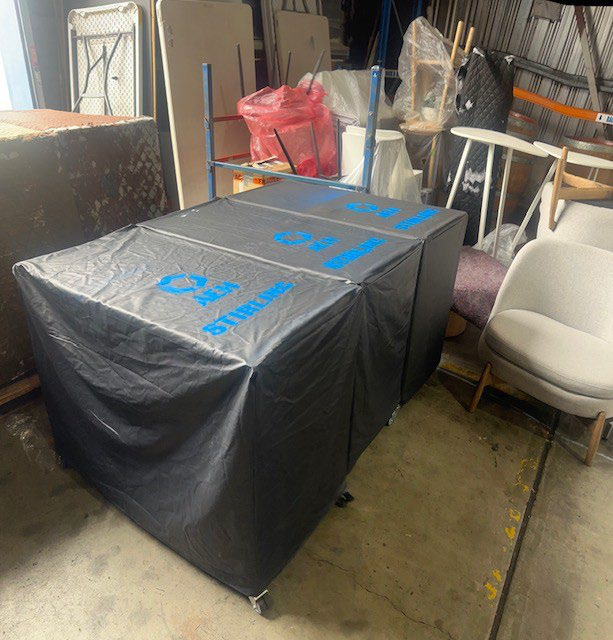
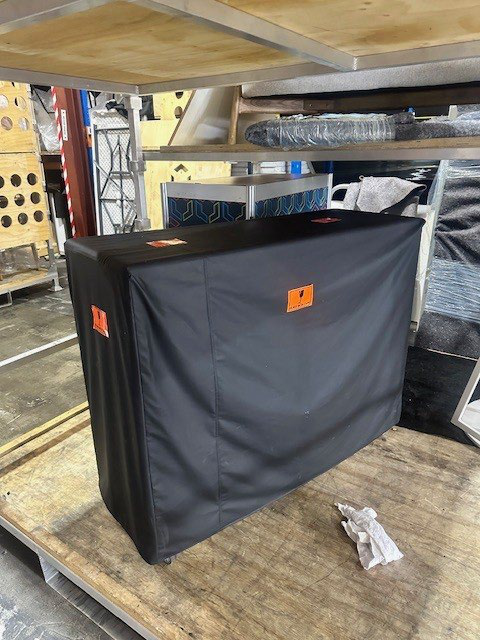
Furniture Covers – Repurposed Fabric Banner Material
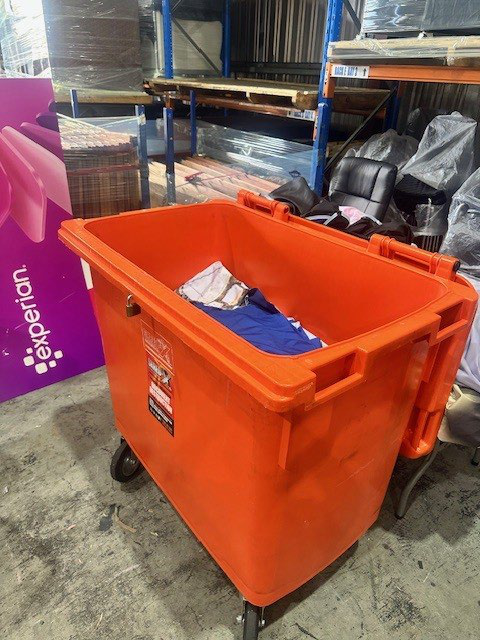
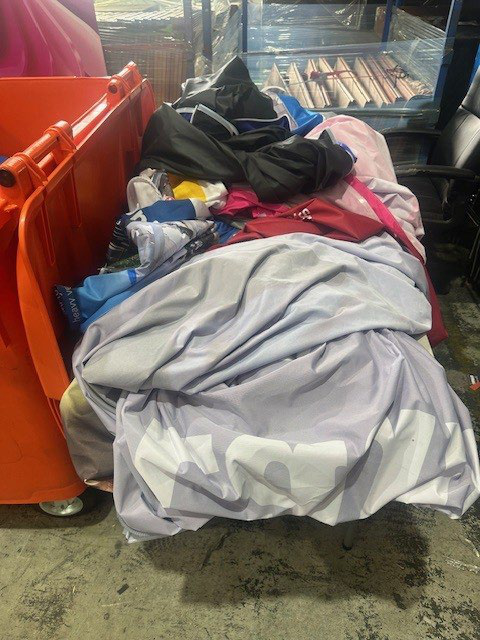
Processing Fabric Banner Material Post Event
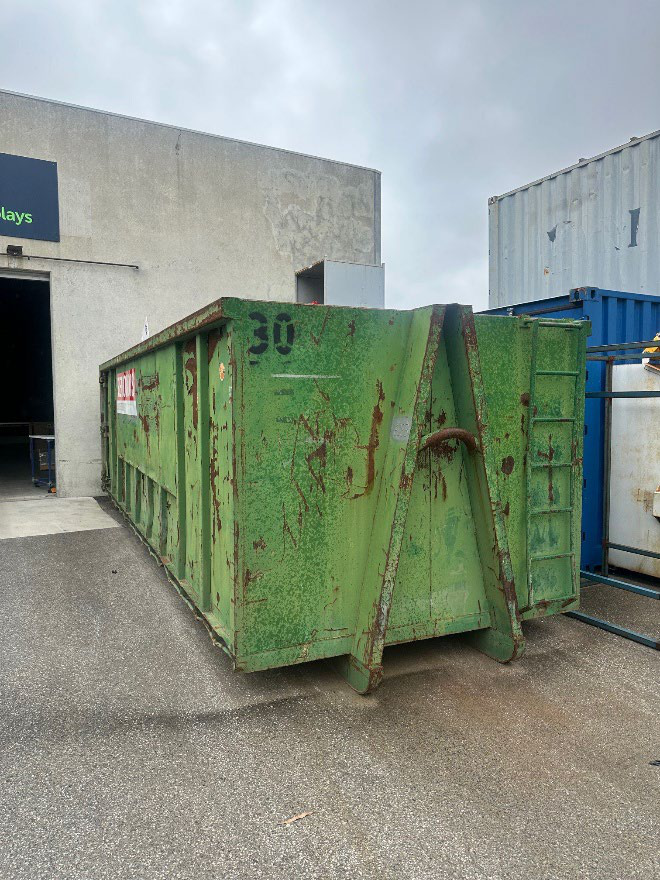
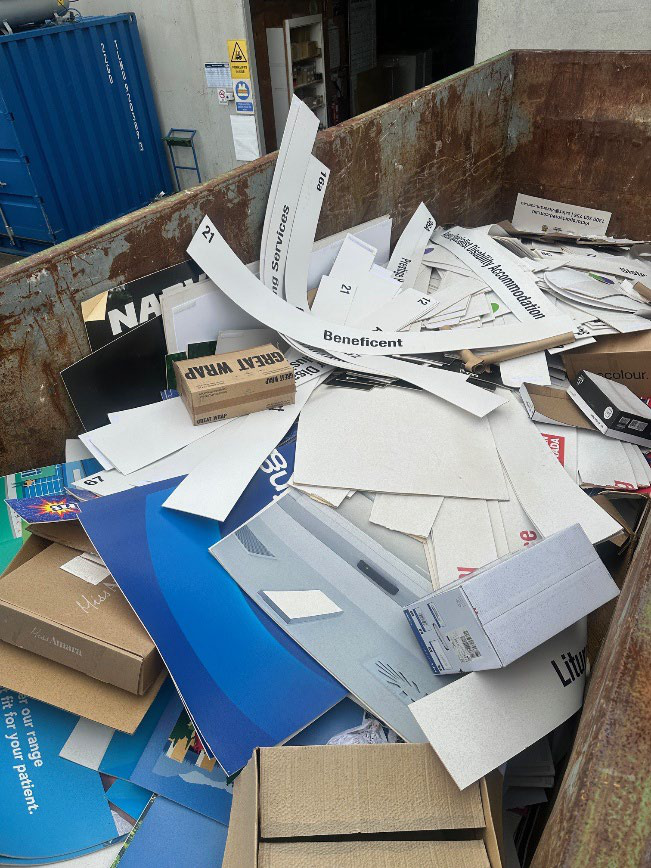
Single use recyclable signage
Summary
AEH prioritises reusability and recyclability, shifting from landfill-prone materials to fully recyclable Kroma, fabrics and Xanita boards. Aligning with global trends toward reusable custom displays, AEH develops lightweight, durable structures, adopts water-based printing, and trials modular systems to reduce waste and create circular, low-impact exhibition solutions across all project types.
AEH also reduces single-use booth signage waste (wall panels & fascias) by replacing event-specific prints with lightweight, fully recyclable materials. These options let exhibitors achieve strong branding while supporting circular practices, lowering landfill, and aligning with AEH’s broader commitment to reusability and responsible material choices
0 Comments