

Europe vs. US Exhibiting: When the Same Industry Works Differently
Steve Riches and Martin Besaris open the programme by exploring the differences between exhibiting in Europe and the United States.
Their session sets the foundation for the day by looking at how project roles, planning habits, client involvement, decision-making, responsibilities, show services and execution can vary between markets.
For US exhibit companies, the session addresses a practical question: what do we need to understand before working with European clients, suppliers or partners?
Key takeaway: International collaboration improves when both sides stop assuming that their own way of working is universal.

Steve Riches

Martin Besaris
Credit & Collections: Commercial Awareness in an International Industry
Lisa Puckett brings a practical perspective on credit and collections, with a focus on procedures, payment expectations and their impact on international project delivery.
Her session highlights why international projects are not only creative and operational. They also require commercial clarity, particularly when companies are working across borders, systems and expectations.
For US exhibit companies, this session offers a clearer view of how financial procedures can influence communication, timing, trust and the overall health of a project.
Key takeaway: A strong international project needs creative quality, operational control and commercial awareness.
Lisa Puckett
Tariffs & Tariff Relief: Understanding the Business Context Behind the Booth
A Dallas-based law firm specialising in tariffs and tariff relief will address a current and practical topic for companies working with international materials, suppliers and projects.
The session will explore how tariffs can influence cost, timing, pricing and client conversations, and why these issues need to be understood early in the planning process.
For exhibit companies, this is not only a legal or political issue. It can become part of the business reality behind an international project.
Key takeaway: International exhibit work is shaped not only by design and production, but also by the wider business environment.
Sustainability: From Good Intention to Practical Industry Action
Brandie Townsend and the Brumark team will focus on how sustainability can become practical, relevant and commercially meaningful for the exhibit industry on both sides of the Atlantic.
The session will move beyond broad statements and connect sustainability to real project decisions, including materials, reuse, logistics, design, client expectations and show-floor execution.
For US exhibit companies, this session offers a grounded look at how sustainability expectations are changing and how to respond in ways that are practical and credible.
Key takeaway: Sustainability is becoming part of professional expectations in the exhibit industry, and companies need to understand what that means in practice.
Brandie Townsend / Brumark Team
The Human Factor: Briefing Customers, Reading Cultures and Working With Different Audiences
Han Leenhouts closes the Masterclass by bringing the day back to the human side of international exhibiting.
His session focuses on how to brief customers, prepare teams, interact across cultures and recognise that different audiences may think, decide and respond in different ways.
Drawing on experience across Europe, North America, South America, the Middle East and Asia, Han will show how customer behaviour, culture, trust and communication shape the success of exhibit projects.
Key takeaway: International success depends on the ability to understand people before trying to persuade them.
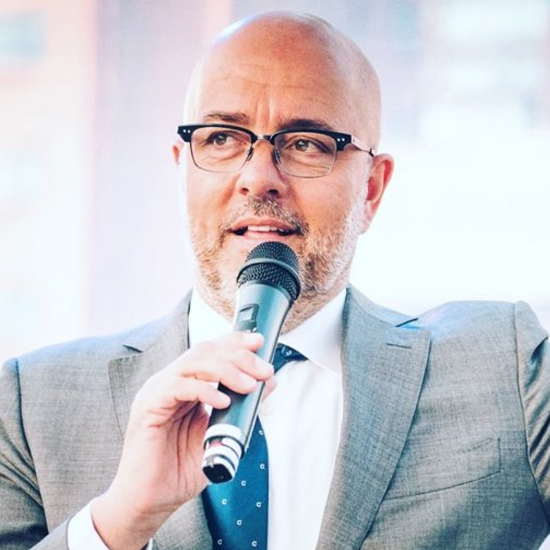 Han Leenhouts PROFILE